At first, it may look like nothing more than a rash. But what if that sudden burning pain and strange blisters on your skin are actually something far more serious? Across the world, doctors warn that many people ignore the early signs of shingles until it’s too late—when the pain becomes unbearable and complications set in. The unsettling truth is that the virus behind shingles may have been sleeping in your body for decades, silently waiting for the right moment to strike.
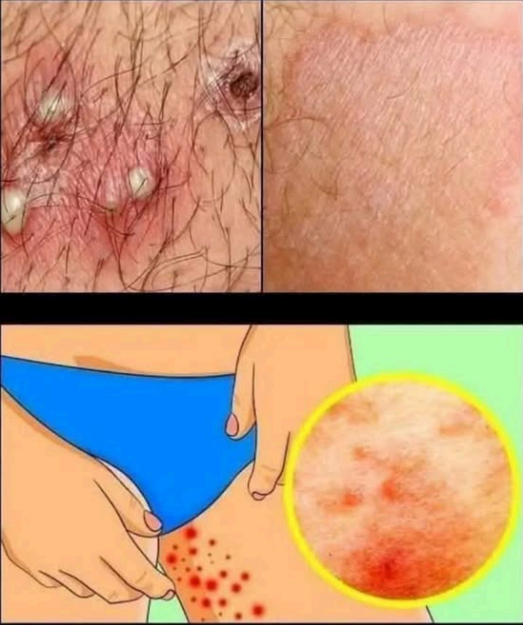
What Exactly Is Shingles?
Herpes zoster, more commonly known as shingles, is a viral illness that strikes when the varicella-zoster virus—the same virus responsible for chickenpox—reawakens in the body. After someone recovers from chickenpox, the virus doesn’t vanish; instead, it hides within nerve cells for years or even decades. When triggered, it resurfaces as shingles, a condition marked by nerve pain and skin eruptions that can be both painful and long-lasting.
Why Does It Reactivate?
Several factors can trigger this dormant virus to come alive:
- Aging — the risk rises sharply after age 50.
- Stress — both physical strain and emotional trauma can weaken defenses.
- Weakened immunity — chronic illnesses such as HIV or cancer, or medications that suppress the immune system, increase vulnerability.
- History of chickenpox — only those who’ve had it are at risk, since shingles comes from reactivation, not reinfection.
Although shingles itself isn’t highly contagious, direct contact with its blisters can pass the varicella virus to someone who never had chickenpox—causing chickenpox, not shingles.
How Does It Start? Recognizing Symptoms
The earliest signs can be misleading, often resembling a mild flu. Typical symptoms include:
Sharp or burning pain, usually on one side of the body or face.
Tingling, itching, or sensitivity of the skin.
Fatigue, low-grade fever, and general discomfort.
Within a few days, these sensations give way to a red rash that develops fluid-filled blisters. Over time, the blisters break open, crust over, and gradually heal. In some cases, pain lingers for months or years after the rash disappears—this complication is known as postherpetic neuralgia, one of shingles’ most dreaded aftereffects.